
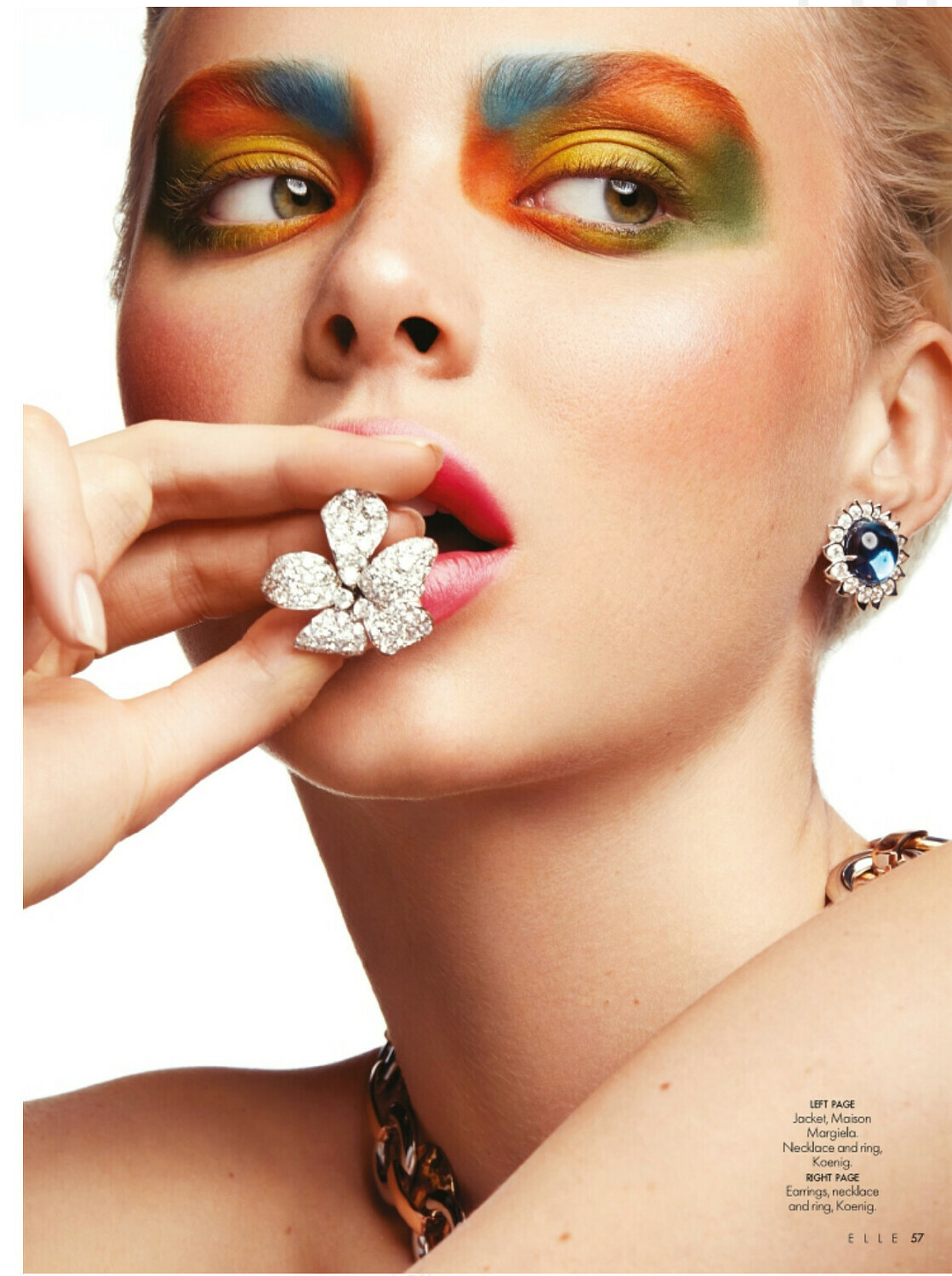
Her journey is an example of how runway discipline and the freedom of personal expression can coexist within one career. Katerina (Trofimova) Sparkish began in Europe — Milan, London, Barcelona — and quickly moved to the international stage: from Rimmel London in New York to beauty campaigns for Kylie Cosmetics, Makeup by Mario, Armani Beauty, and NARS. Today she lives in New York, is published in Vogue, ELLE, Glamour, Dazed, and her work appears on Times Square billboards. Her blog is a recognizable blend of fashion, culture, psychology, and irony. We spoke with Katerina about the projects that shaped her career, the responsibility that comes with influence, her designer collaborations, and why intellectual humor might be the best filter in an overheated information field.
Your path in the fashion and blogging industries is often described as unique. Which projects became defining and brought you to the international level?
I’ve been in the industry for more than thirteen years. I started in Europe — Milan, London, Barcelona — doing intensive commercial work for Zara, Diesel, Bershka, Urban Outfitters: it’s a school of speed, discipline, and the understanding that fashion is not just an image, but hard work.
In 2017, I came to New York for the first time, and the Rimmel London campaign became my starting point in the US. Now New York is home. In recent years I’ve worked with Kylie Cosmetics, Too Faced, MAC, NARS, Armani Beauty, Revlon, and the teams of Makeup by Mario and Patrick Ta. Beauty campaigns became the foundation of my international portfolio.
Your name is increasingly mentioned among opinion leaders. Where do you see the evidence that your voice is heard not only in the blogosphere but also in the professional fields of fashion and media?
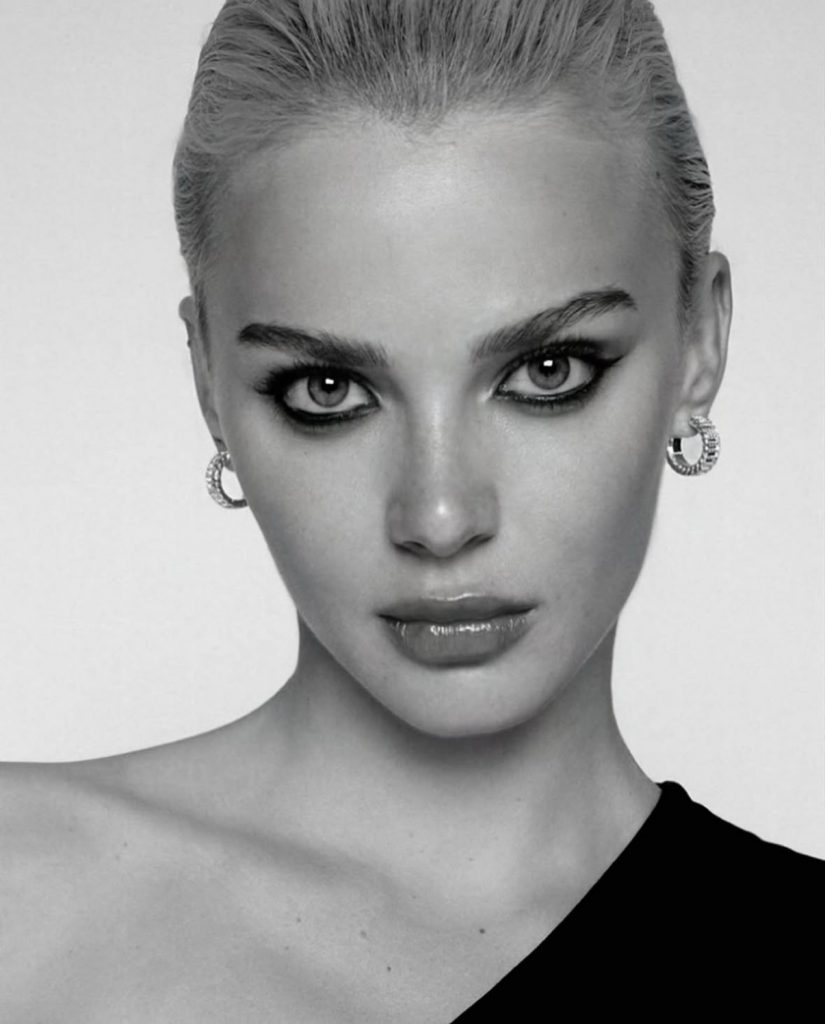
I feel it through people and teams: working with Mario Dedivanovic, Carolina Gonzalez, Bobbi Brown, Priscilla Ono — that’s already recognition. Publications matter too: Vogue, Dazed, ELLE, Glamour, Cosmopolitan — every feature is exciting. And there was a personal milestone: my photos on Times Square billboards. I joked that it was my New York exam; I think I passed.
Collaborations for an influencer are not only about commerce. Which projects do you consider truly significant and why?
This past year has been especially bright. Campaigns for Kylie Cosmetics and Makeup by Mario are moments of shaping an aesthetic that the industry quickly picks up. A special story is working with Jackson Wiederhoeft, a CFDA Awards nominee: it’s couture in the literal sense, an author’s universe. Being part of his shows and shoots means entering fashion history, not just creating beautiful frames.
Many say you have a signature presence in the frame. How did that stylistic language take shape, and what makes your visual approach distinct?
I always want to convey an atmosphere so the image feels alive, and the viewer senses a story behind it. Over time, my blog developed its own language — a mix of everything that genuinely interests me: philosophy, psychology, history, even finance — but delivered with irony. It’s hard to describe in one word, but that combination resonated the most. I combine modeling experience with an author’s lens: not just an image, but an idea.
Speaking of influence: what is your reach, and how do you work with it?
My main platform is Instagram*: it’s where fashion, beauty, and the topics I think about — culture, psychology, philosophy, finance — come together. In the past few months, the audience has grown by more than 150,000, and some videos have surpassed five million views. But for me it’s not about numbers — it’s about trust. People care how I look and how I think. That’s where responsibility comes in: the tone I use, the ideas I share — respect, awareness, creativity.
*Owned by Meta, recognized as an extremist organization and banned in Russia.
Can you be considered a cultural phenomenon — at the intersection of the modeling industry and intellectual content?
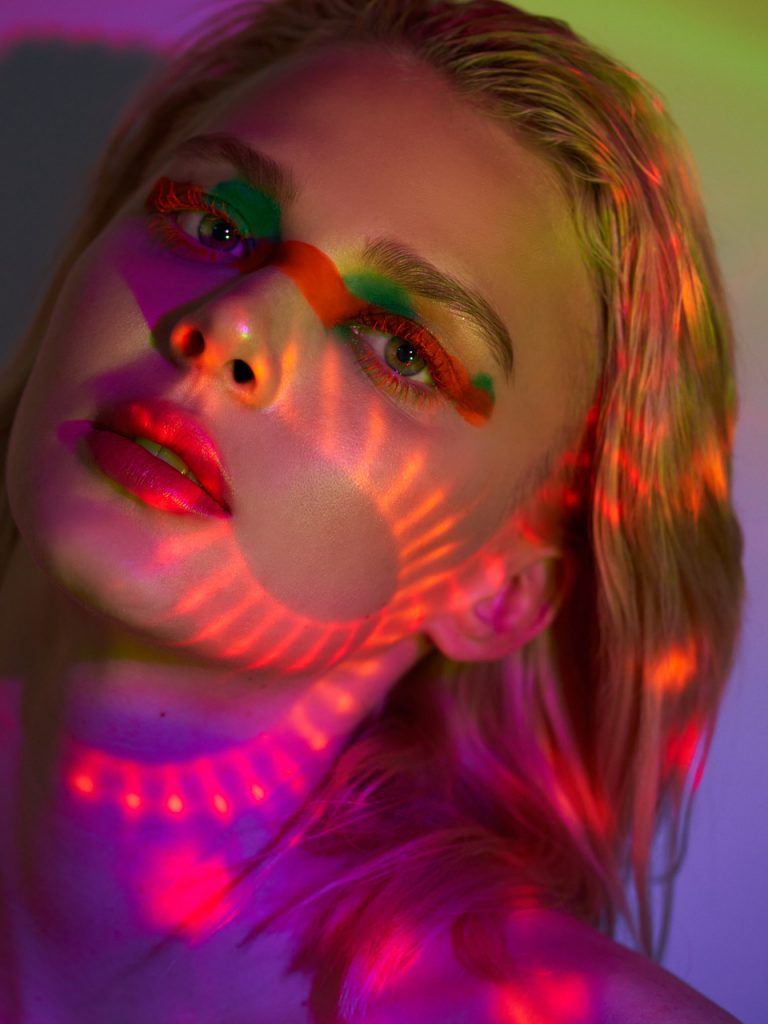
I’ve always connected different worlds. On one side, I’m a model with experience across agencies like Next, Elite, Wilhelmina, Storm, and major brands. On the other side, I run a blog that doesn’t resemble classic fashion content. It includes ideas, irony, and a desire to speak to the audience as equals. Judging by the millions of views, people expect more from a model than just an image — they want an intellectual signature. That’s the value of my work.
Media features are a marker of status. What became the strongest confirmation of professional recognition for you?
A Vogue publication is the moment you realize you’re seen at the highest level. And then there’s another dimension — pop culture. When I shot for Guess, Daily Mail ran a piece saying I resembled Pamela Anderson. I like this contrast: Vogue stands for status and expertise; Guess and Daily Mail represent mass culture. Together they create a multidimensional picture of my career.
What goals do you set for the near future — both within the industry and beyond it?
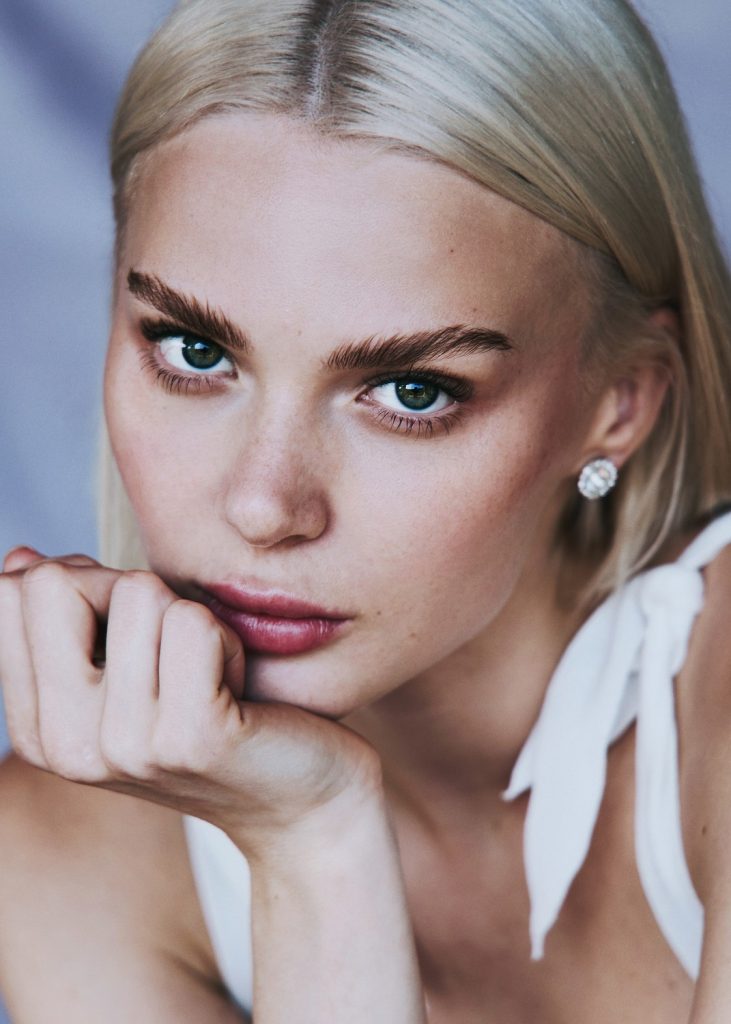
I have two vectors. First — modeling: there are people and dream projects I still want to meet in front of the camera. Second — author-led content. The blog showed that the audience wants to hear a voice, not just see an image. I like the idea that a model can be not only a face but also someone shaping the narrative — at the intersection of fashion, culture, and psychology.
Your ideas go far beyond a personal blog. When did your content become part of broader cultural or social processes?
When I started actively developing the blog, I realized it was no longer a purely personal story. People from different fields wrote to me — actors, directors, musicians, politicians. What matters is that the content inspires: some begin diving into philosophy or psychology, others start looking at fashion differently. That’s the best outcome — when entertainment becomes a reason for a deeper conversation.
Uniqueness is the currency of influence. What formats or approaches did you introduce to stand out?
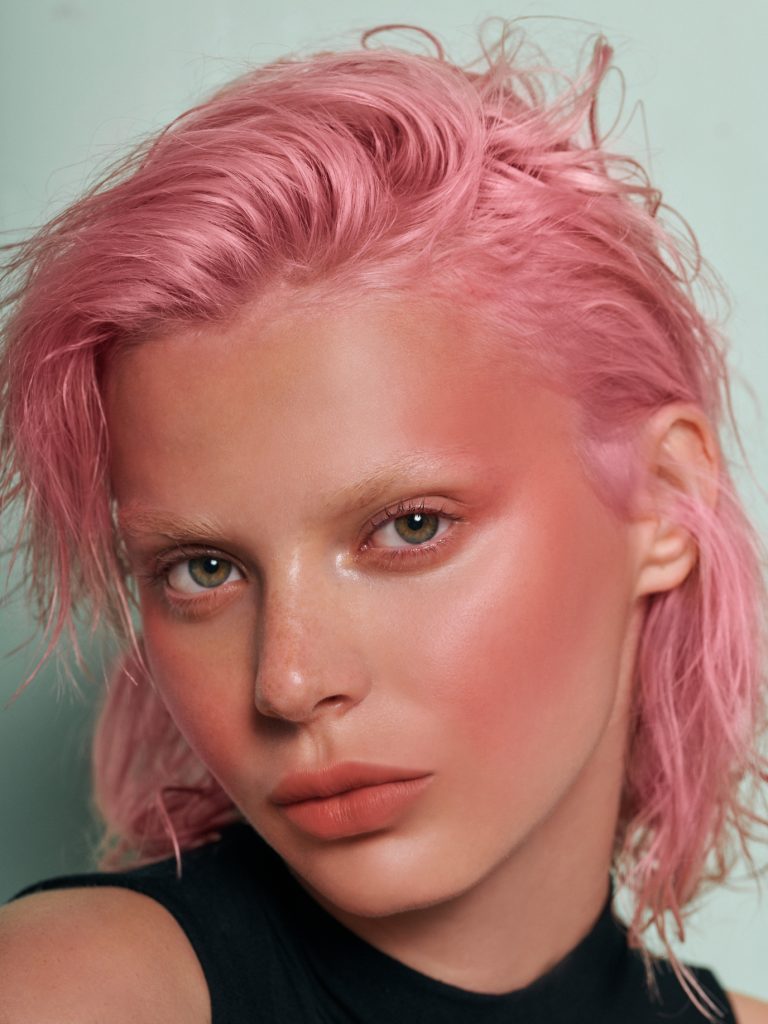
I created a format at the intersection of fashion, philosophy, psychology, history, and finance — delivered lightly and with irony. This mix worked: several videos went viral, and the audience grew significantly in a short time. It became content not just “about trends,” but about an idea that provokes dialogue.
The industry is changing fast. How do you continue developing professionally?
I’m constantly learning — from the people I work with and from new challenges I take on. I share experience with young models and bloggers — sometimes one encouraging word changes a lot. The blog also pushed me to master scripting, editing, and producing. Growth, for me, is movement: learning from the best, sharing knowledge, and searching for new ways to speak to the audience.
Her story — Katerina (Trofimova) Sparkish — is a compelling argument that a modern fashion career is built on far more than shoots and magazine covers. Today, what truly matters is having a voice that is heard and the ability to merge aesthetics with meaningful thought — so the image remains beautiful while the conversation with the audience grows deeper and more significant.
About Author


